How to Choose The Best Indoor Plants for Different Architectural Styles
:format(webp))
:format(webp))
Key Takeaways
Planting should align with architecture Planting works best when it responds to the structure, materials, and layout of a space, rather than being added as an afterthought.
Plant choice should reflect both design and function Selecting the right plants ensures they complement the aesthetic while thriving in the conditions available.
Tailored planting design delivers better results A considered, professional approach creates schemes that are cohesive, functional, and built to last.
Introduction: Why choosing the right plant matters
Both approaches have their place. Introducing greenery can improve workplace productivity, enhance guest experience in hospitality settings, and elevate the overall feel of a home. There is, after all, no such thing as a bad plant.
Every plant brings benefits to the workplace it calls its home. But when the ambition shifts from simple planting, to creating a fully integrated planting scheme, the considerations become far more nuanced. Of course, practical factors still matter. Light levels, maintenance requirements, and longevity all play a crucial role. Alongside this sit the spatial and visual design elements that shape how planting is experienced within a space.
However, one of the most important, and often overlooked, questions is this: how does planting interact with the architectural language of the environment itself?
This is where this blog comes in. We explore how different planting styles can complement and enhance distinct architectural styles, and which plants are best suited to each setting.
It is worth noting that this is not a definitive guide, but a perspective shaped by our designers. As with any design discipline, there will always be a range of opinions. That said, the principles explored here offer a strong foundation for creating planting schemes that feel intentional, cohesive, and aligned with their surroundings.
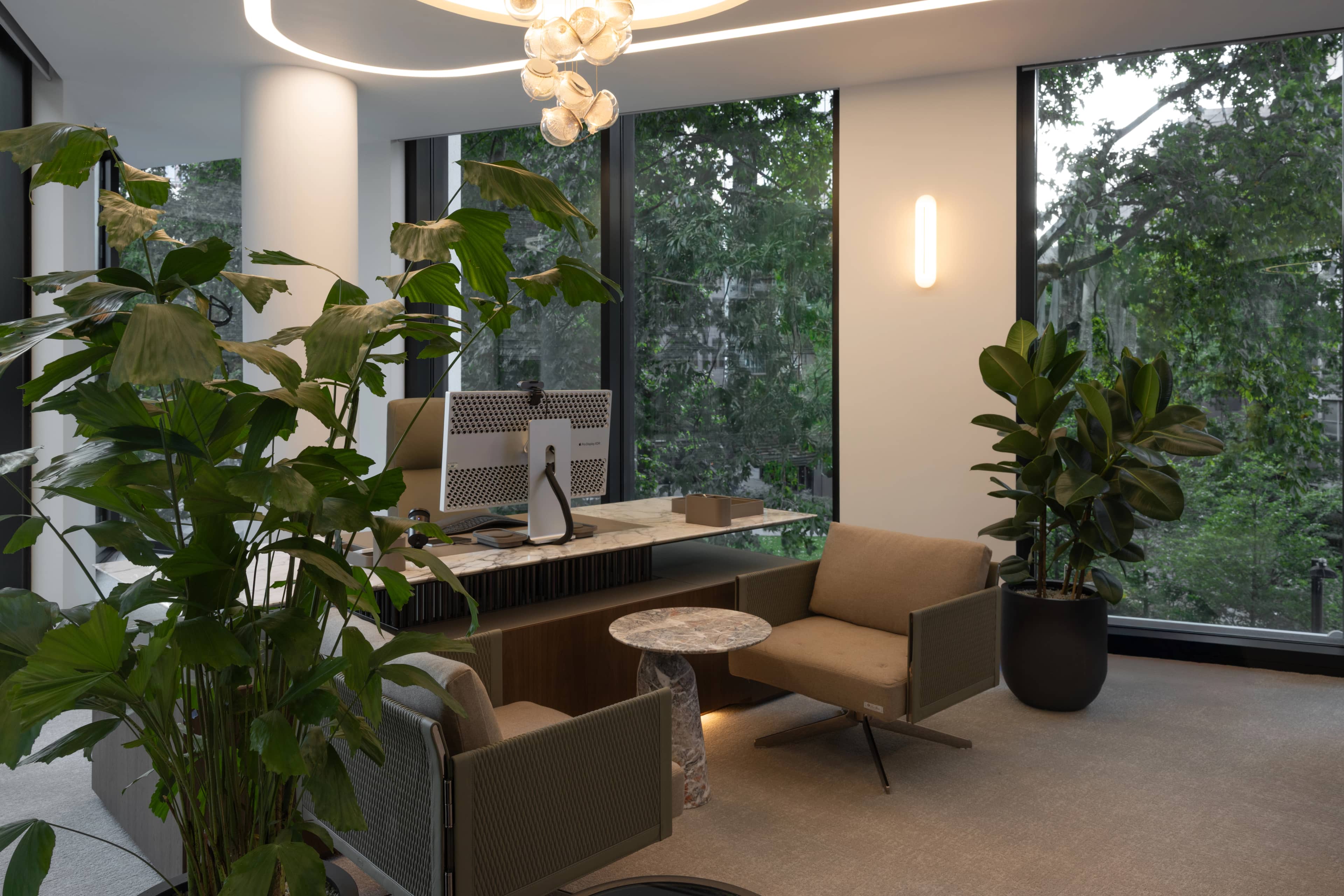
Why planting should reflect architectural style
A true biophilic scheme should feel intertwined with the framework of the space itself. Planting should not simply be added in, but considered from the very beginning, often allowing the internal architecture to be shaped around it.
Think of the Barbican Conservatory, where brutalism and biophilia intertwine so seamlessly. The concrete jungle of the exterior is reflected within, creating a dialogue between structure and nature that feels both deliberate and effortless.
Inside the glass and concrete, a diverse range of planting has grown into the space over time, witnessing generations of visitors pass through, brushing against leaves as they go. It is not just something to be observed, but something to be experienced.
It is also vital that planting reflects the intention of a space. It should respond to where light is most abundant, align with the scale of open areas, and complement the natural flow of movement. In this sense, planting becomes part of a wider design language, contributing to a biophilic scheme that feels cohesive, considered, and inherently connected to its surroundings.
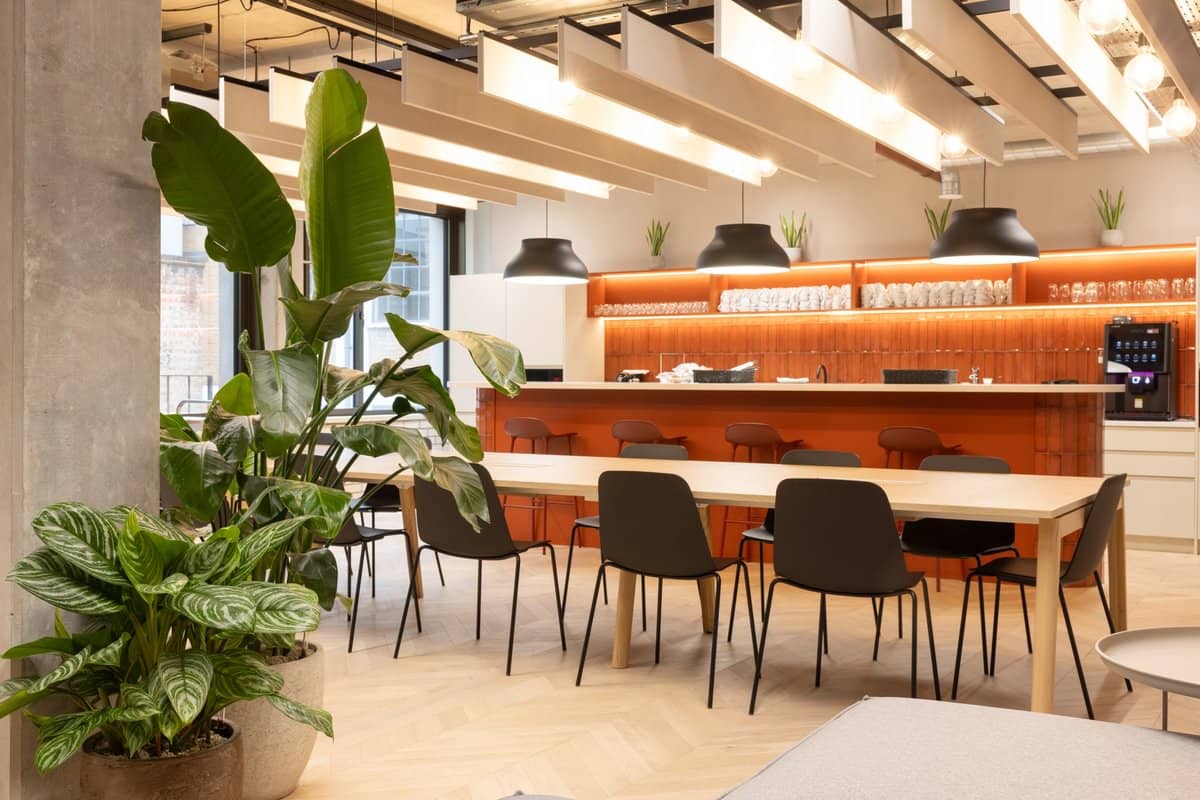
How to choose the right plants for your space.
We have explored this topic across a number of our blogs, from selecting the best plants for low light environments to identifying species that require minimal maintenance. While each space brings its own set of challenges, there are a few core principles that consistently underpin a successful planting scheme.
To summarise:
Consider Light and Orientation
Understanding how natural light moves through a space is fundamental. Whether working with bright, open environments or more enclosed interiors, plant selection should always respond to the conditions available rather than working against them.
Work With Materials and Finishes
Planting should sit comfortably alongside the material palette of a space. Softer foliage can balance harder finishes such as concrete, steel, or glass, while more structured plants can complement refined, detailed interiors.
Think About Scale and Proportion
The volume of a space should guide the planting. Larger, open areas can support bold, architectural plants, while smaller or more intimate settings benefit from lighter, more restrained choices.
Balance Statement and Subtlety
Not every plant needs to be a focal point. A well-considered scheme will combine standout pieces with quieter, supporting planting to create depth and rhythm throughout the space.
These principles form the foundation of any thoughtful planting design, ensuring that greenery feels intentional rather than incidental.
With this in mind, we can begin to explore how different planting styles respond to and enhance specific architectural styles, and where planting can truly elevate the spaces it inhabits.
Best plants for modern architecture
Modern architecture prioritises clean lines, controlled form, and a considered use of space. While this creates visually striking environments, it can sometimes feel stark without the introduction of natural elements.
Minimalism, open layouts, and industrial materials often benefit from carefully placed greenery, adding softness and life without disrupting the overall design.
Recommended Plants
Ficus lyrata (Fiddle Leaf Fig)
Strelitzia nicolai (Bird of Paradise)
Sansevieria (Snake Plant)
Styling Approach
Sculptural, spaced planting
Statement planters
Limited variety, high impact
These plants are bold and architectural, with strong silhouettes that sit comfortably within modern interiors. Used sparingly, they enhance the structure of a space, allowing planting to feel intentional and aligned with the design.

Best plants for industrial interiors
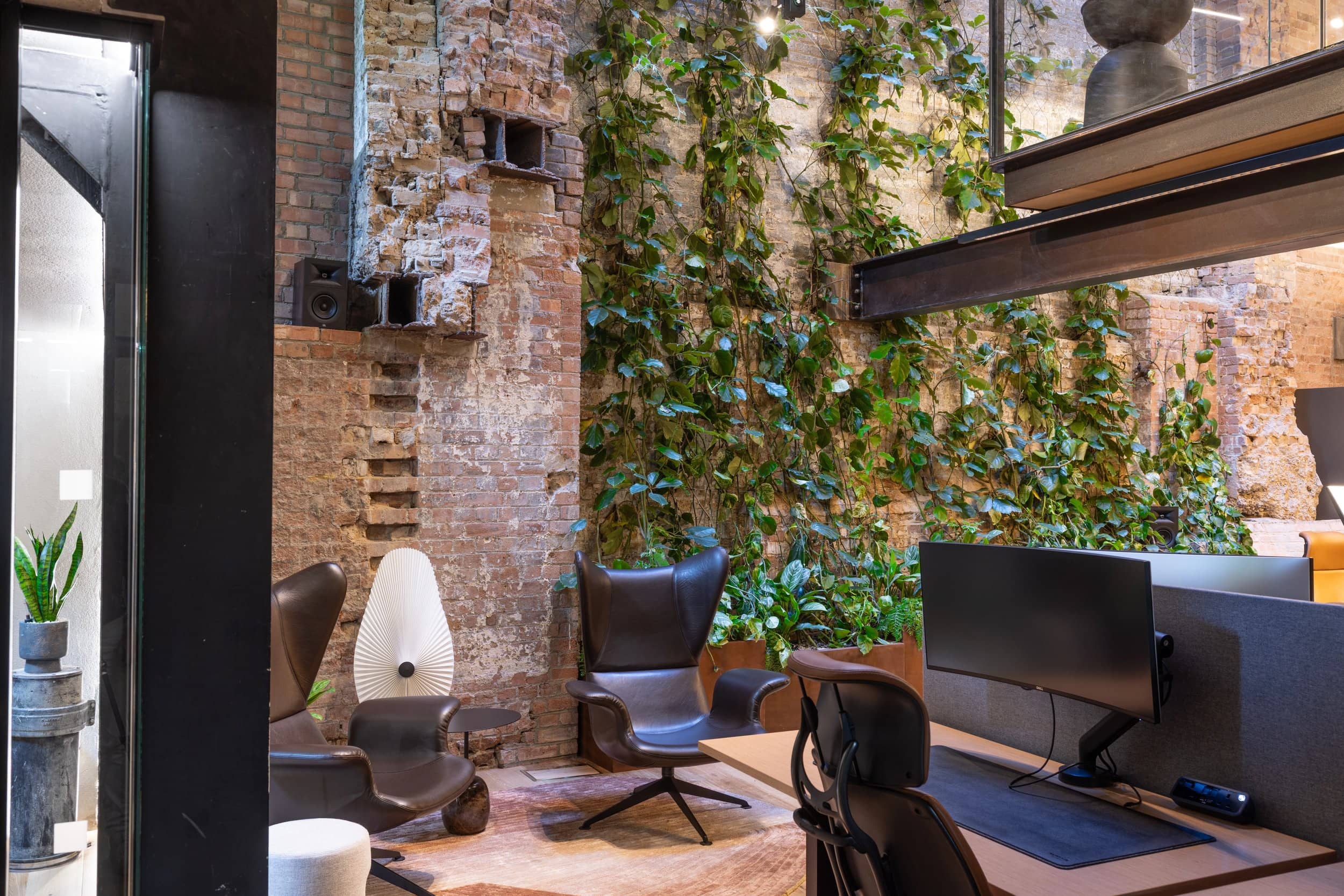
Industrial interiors are defined by raw, honest materials. Exposed brickwork, steel structures, and unfinished surfaces create spaces that feel robust and functional, but can benefit from the softness of planting.
Greenery works best here when it contrasts rather than competes, introducing movement and life against harder finishes.
Recommended plants
Philodendron varieties
Trailing Plants
Styling approach
Relaxed, slightly untamed planting
Hanging elements and trailing forms
Strong contrast against raw materials
In industrial spaces, planting can feel slightly unruly, as though it has settled into the architecture over time.
Best plants for traditional interiors
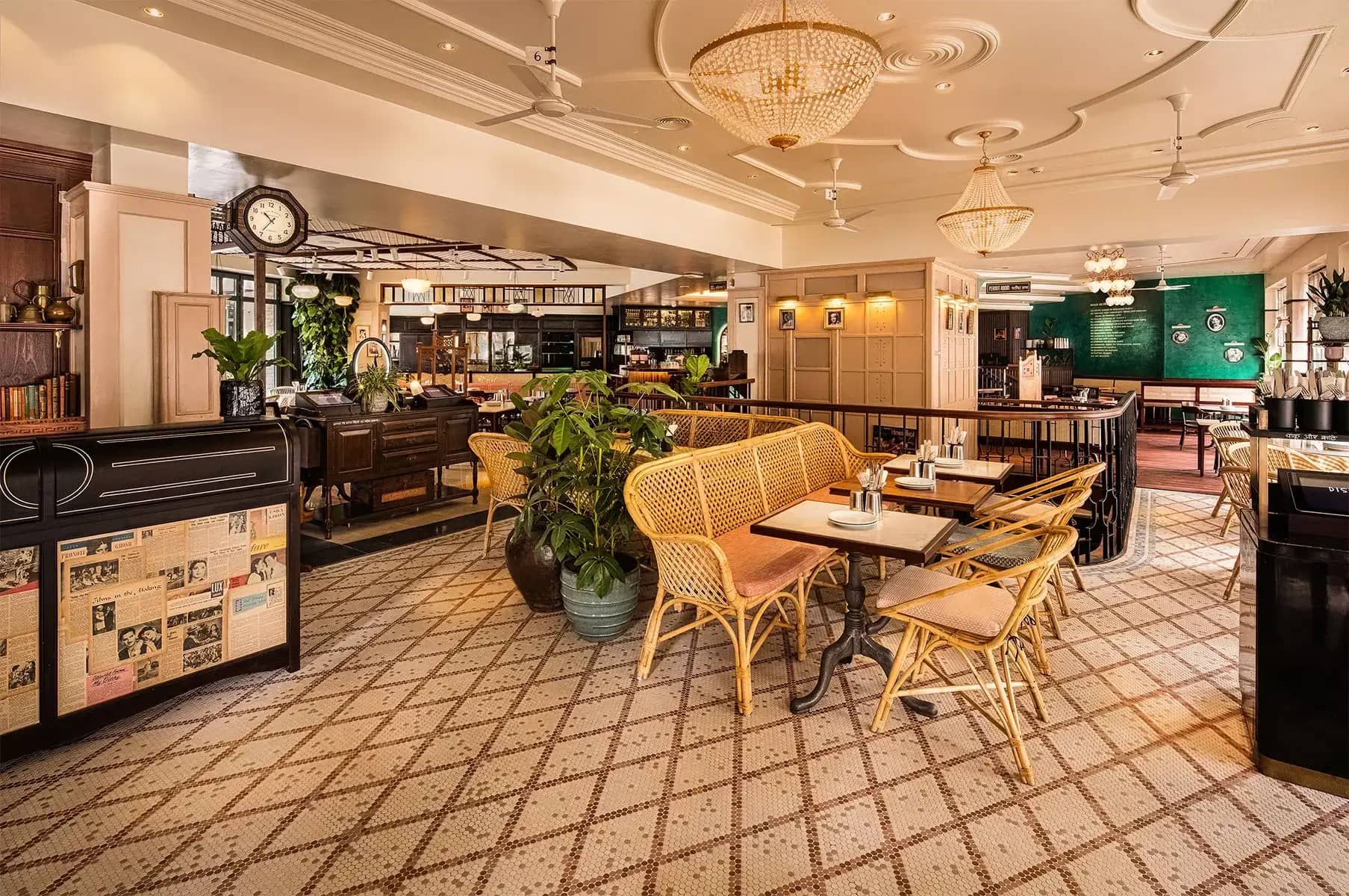
Traditional interiors are characterised by symmetry, detail, and a richer material palette. Planting in these spaces should feel considered and timeless, reinforcing a sense of balance and elegance
Recommended plants
Kentia Palm
Ficus benjamina
Styling approach
Structured, balanced layouts
Classic, refined species
Planting plays a quieter role, supporting the architecture rather than drawing focus.
Best plants for scandinavian design
Scandinavian interiors favour light, simplicity, and natural textures. Planting should feel effortless and integrated, complementing the calm and understated nature of the space.
Recommended plants
· Ficus elastica (Rubber Plant)
· Pilea peperomioides
· Ferns
Styling approach
· Soft, natural placement
· Light-toned planters and organic forms
· Seamless integration with furniture and materials
In these environments, planting is less about statement and more about atmosphere. It should feel light, considered, and in harmony with the wider palette.
Best plants for contemporary commercial spaces
Contemporary commercial interiors are often shaped by brand identity, flexibility, and the need to support different ways of working. Planting plays a key role in defining zones and softening large-scale environments.
Recommended plants
· Zamioculcas zamiifolia (ZZ Plant)
· Dracaena varieties
· Aglaonema
Styling approach
· Integrated planting within joinery and partitions
· Using greenery to zone and define spaces
· Consistency across larger schemes
In these spaces, planting becomes part of how the environment functions. It helps guide movement, create moments of pause, and bring cohesion to large or complex layouts.
Best plants for mid-century modern interiors
Mid-century modern design is defined by clean lines, organic forms, and a strong connection between indoor and outdoor living. Materials such as timber, leather, and stone are often paired with open, airy layouts, creating spaces that feel both structured and relaxed.
Planting plays a natural role here, echoing the era’s emphasis on nature and form, while adding softness to geometric interiors.
Recommended plants
· Ficus elastica (Rubber Plant)
· Monstera deliciosa
· Dracaena marginata
Styling approach
· Sculptural plants with soft, organic shapes
· Statement pots with a vintage or textured feel
· Positioned to complement furniture and sight lines
In mid-century spaces, planting should feel intentional but never overworked. A few well-placed, characterful plants can enhance the connection to nature, reinforcing the balance between structure and softness that defines this architectural style.
Final thoughts: planting as an extension of interior architecture
At its best, planting does not sit alongside architecture, it belongs to it.
Whether working within modern, industrial, traditional, or more expressive interiors, the most successful schemes are those that feel considered from the outset. They respond to light, scale, and materiality, while supporting the way a space is used and experienced.
If you would like to get in touch, to discuss just how we might be able to help with your planting requirements, you can get in touch via the form below, or head over to our contact page.
We are happy to get involved in any project at any stage...even if its just an idea in your mind of how you might want your commercial space to look! As long as plants are involved, we would like to be too.
:format(webp))
:format(webp))
The Best Office Plants for Every Workplace Scenario
Choosing the best office plants isn’t just about looks. The right plants can improve air quality, boost wellbeing, and even increase productivity. Whether your workspace is bright, shaded, large, or compact, there’s a perfect plant for every office environment. In this guide, we explore the best office plants for every situation - from low light to sun-drenched windows and low-maintenance favourites.
:format(webp))