Lean vs Green: How and Why do Plants make our offices so much more productive?
:format(webp))
:format(webp))
Key Takeaways
A little green goes a long way You do not need to transform an office overnight to see results. Even small amounts of thoughtfully placed greenery can improve satisfaction and productivity.
Design with people and performance in mind The research shows that how plants are placed matters just as much as having them at all.
Choose resilient, low maintenance plants Office environments can be unpredictable, so plants should be selected with longevity in mind.
Introduction: New research brings a new perspective
We know that plants make places better. Putting plants in restaurants encourages greater spend, they can help us feel a greater sense of calm, and help restore our mental clarity. But can they go as far as to make us more productive at work?
Back in 2014, a group of researchers from across the world set out to see just how much of an effect plant could have on productivity in the working environment.
Their series of experiments, titled “The Relative Benefits of Green Versus Lean Office Space’, challenged the idea that minimalist workplaces are best. They instead found that enriched office environments, particularly those which included plants, significantly improved how people both feel and perform at work.
Green vs Lean: Learning the terms
The central focus of the teams’ research piece was the comparison between the two different approaches to office design.
Lean Office Spaces:
Lean office spaces are deliberately minimalist. They have only what is considered to be the essential necessities for work, desk, chairs and computers. Anything decorative is seen as clutter, and its removal, according to lean thinking, improves simplicity, concentration, and ultimately output
The term ‘Lean’ itself, was coined by two researchers in the 90s, whilst describing Toyotas post-war car production lines. The method of production normalised concepts like just‑in‑time production, continuous improvement (kaizen), respect for people, and the systematic elimination of waste.
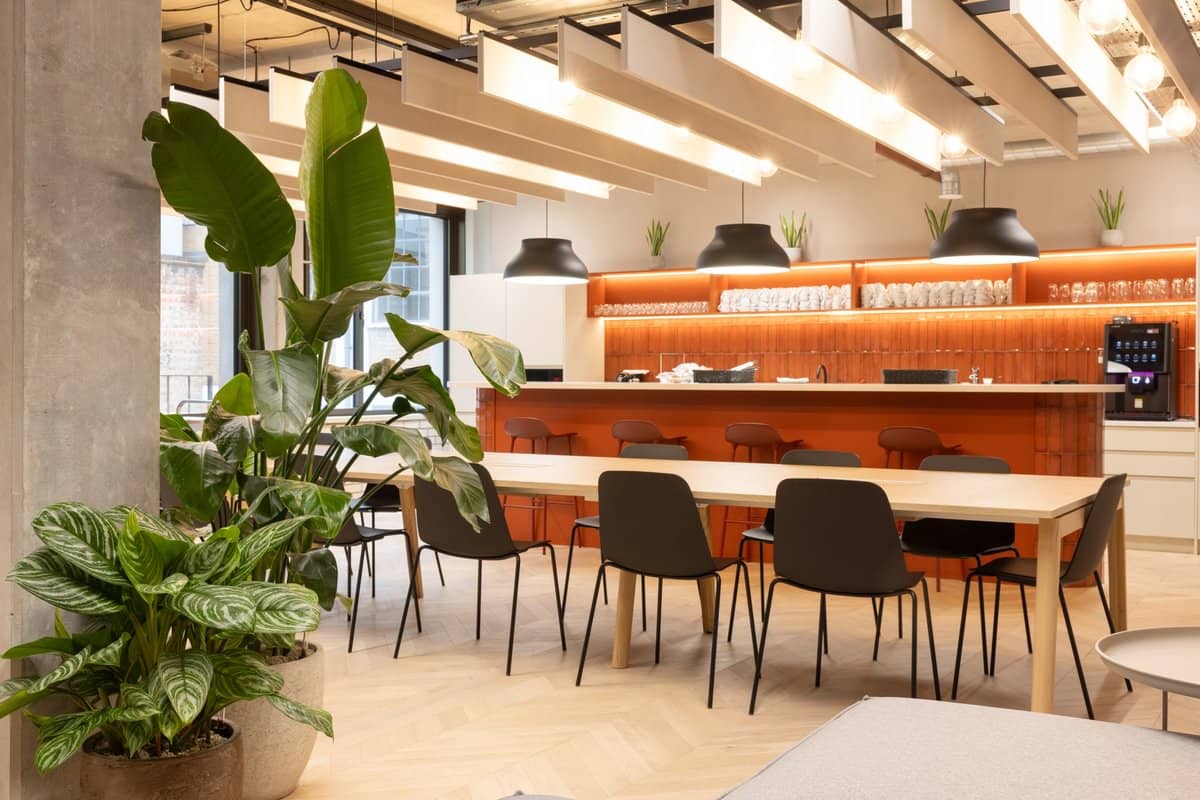
Green Office Spaces:
Green office spaces, on the other hand, embrace it all.
For the research, a so called ‘green office’ was defined as having planting throughout. Plants are arranged to add visual interest, connect people to nature and engender a sense of care about the environment. The researchers were exploring the idea oof how to enrich an office space, and plants where the quickest, cheapest, and most immediate way to do that.
The two office environments provided a stark contrast to one another. Bare or brimming, lean or enriched. But which would yield the better results?
Planting and office enrichment Brings Benefits
Across three real world studies carried out in active office environments, the findings were consistently positive. Employees working in greener offices reported feeling more satisfied with their workspace than those in leaner settings. Many also felt the air quality was better, even though ventilation systems were the same. This highlights how planting can influence the way people experience a space, beyond visual appeal alone.
Importantly, staff in green environments also showed improved focus and productivity, with some tasks being completed more effectively when plants were present. Rather than acting as a distraction, planting appeared to support concentration and day to day performance. These results challenge traditional ideas about stripped back office design and suggest that thoughtfully enriched workplaces can help people feel and work better.
Method to the Madness: The Design Process
What makes these studies particularly interesting is how they were designed. Rather than relying on artificial lab settings, the experiments took place in real offices, with real employees carrying out their day to day work. This allowed researchers to observe more natural behaviour over longer periods of time, rather than short term responses.
The contrast between office conditions was deliberate and carefully controlled:
Lean offices removed all decorative elements, creating a minimalist environment.
Green offices introduced multiple plants placed strategically so employees had frequent visual contact with greenery.
Other factors remained constant including layout, lighting, and job roles isolating the effect of greenery itself.
So when you look around a modern, plant filled office, you might assume that the plant catching your eye in a moment of work reflection was placed there simply because it ‘looked right’ to a designers eye... It isn’t random at all. Through careful design, researchers were able to clearly link changes in employee satisfaction and productivity to the presence, or absence, of plants in the workplace.
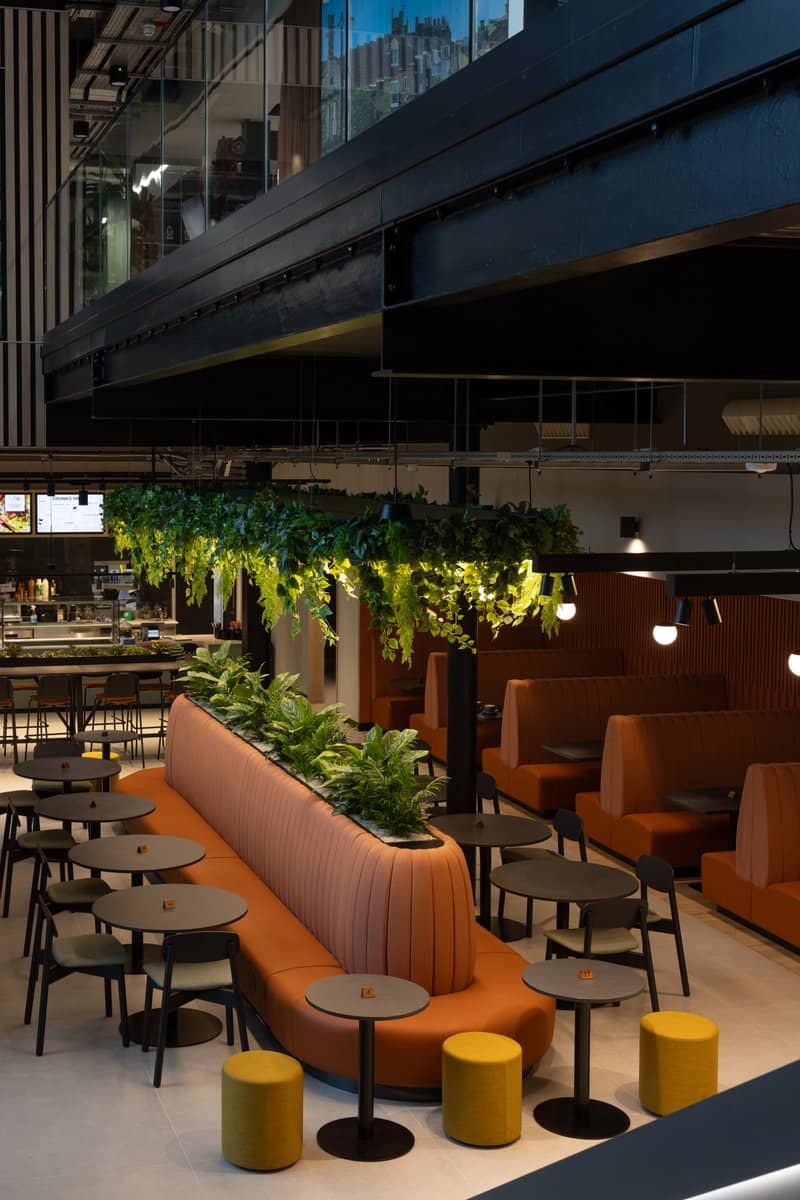
Plants we put in CareCo's flagship office
The Results
Natural elements are widely recognised for their role in supporting psychological restoration. Even brief exposure to greenery has been shown to reduce stress, lift mood, and help restore attention during the working day. Plants can also act as a subtle signal that an organisation values employee wellbeing, which in turn can positively influence motivation and engagement.
In the studies, several consistent benefits emerged in green office environments.
Air Quality: Employees in green offices consistently reported better air quality, even though ventilation systems were identical.
Concentration and Focus: Workers in green offices showed higher levels of concentration during tasks compared with those in lean offices.
Task Performance: Objective measures of work output (speed and accuracy on assigned tasks) were higher in green environments.
Workplace Satisfaction: Employees reported greater overall satisfaction with their workspace when plants were present.
Mood and Psychological Wellbeing: Presence of greenery was associated with improved mood and reduced stress levels.
Employee Engagement and Motivation: The enhanced environment highlighted care, which positively affected motivation.
Visual Attention: Even brief visual contact with plants while reflecting on work tasks helped restore attention and mental energy.
Long-Term Effects: Benefits were sustained over weeks, suggesting that green elements had lasting impacts beyond initial freshness.
In contrast, overly lean environments can feel impersonal. While reducing visual clutter, they may also limit comfort and emotional connection to the workspace, factors that quietly influence performance over time.
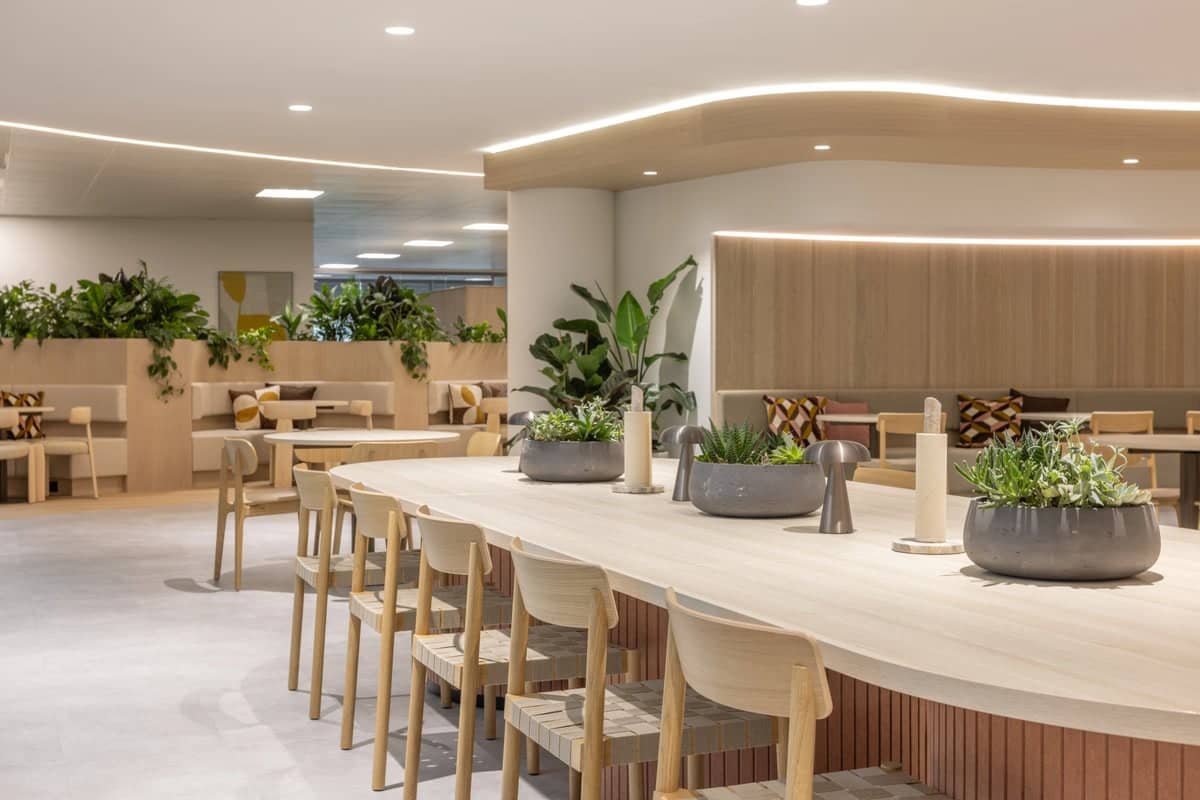
Desk planters at Specialist Risk Group's head office
Conclusion: What plants mean for workplace productivity
Designing an effective office isn’t about choosing between efficiency and wellbeing, it is about recognising that the two are linked. If you are looking to improve the performance of your team, then the message is simple: a greener office isn’t just more pleasant, it’s more productive.
Rethinking “Less Is More”
Together, these field experiments challenge long standing assumptions about minimalist office design. Rather than stripping spaces back entirely, the findings suggest that adding carefully considered natural elements can help support wellbeing, focus, and performance. Sometimes, adding a little more is exactly what makes a workspace work better.
If you decide that you would like further assistance with your office planting process, you can get in contact with us, or head over to our office planting page to learn more about what Plant Plan can offer!