Why Your Office Plants Keep Dying (And How to Stop Them Doing It)
:format(webp))
:format(webp))
Introduction: It’s Not You, It’s the Plant
Well, it could be you… but let’s see why it might not be.
There is a common assumption that looking after a plant is easy. They don’t go anywhere, they only need some light and a bit of basic food to be happy, what could go wrong?
It turns out, for anyone who has owned a plant, quite a lot.
Across offices in the UK, businesses invest in plants with the best intentions, only to find them declining within weeks or months. They are often hastily purchased and entrusted to an office manager who didn’t ask for them in the first place. Leaves drop, edges brown, and what started as a feature quickly becomes something to replace.
Sometimes, it may be an issue with over or under watering, but more often it is a mismatch between plant and environment.
Offices are highly controlled, artificial spaces. Light is limited, air is dry, and temperatures fluctuate. When plants that are not suited to these conditions are introduced, they struggle.
The Real Reason Office Plants Struggle
Offices are artificial environments, and whilst many of the plants we use originate from rainforest conditions that are not entirely dissimilar, there are a few key differences that will challenge any plant:
• Low or inconsistent natural light
• Dry air from HVAC systems
• Temperature fluctuations
• Inconsistent watering routines
Inconsistent watering is not unfamiliar to plants. In nature, conditions are rarely perfect. But when plants are repeatedly over or under watered, and pushed beyond what they can tolerate, they will start to show it.
The core message here, is that sometimes, the wrong plant will be in the wrong place, and no amount of care will rectify that. So what are some of the most common errors?
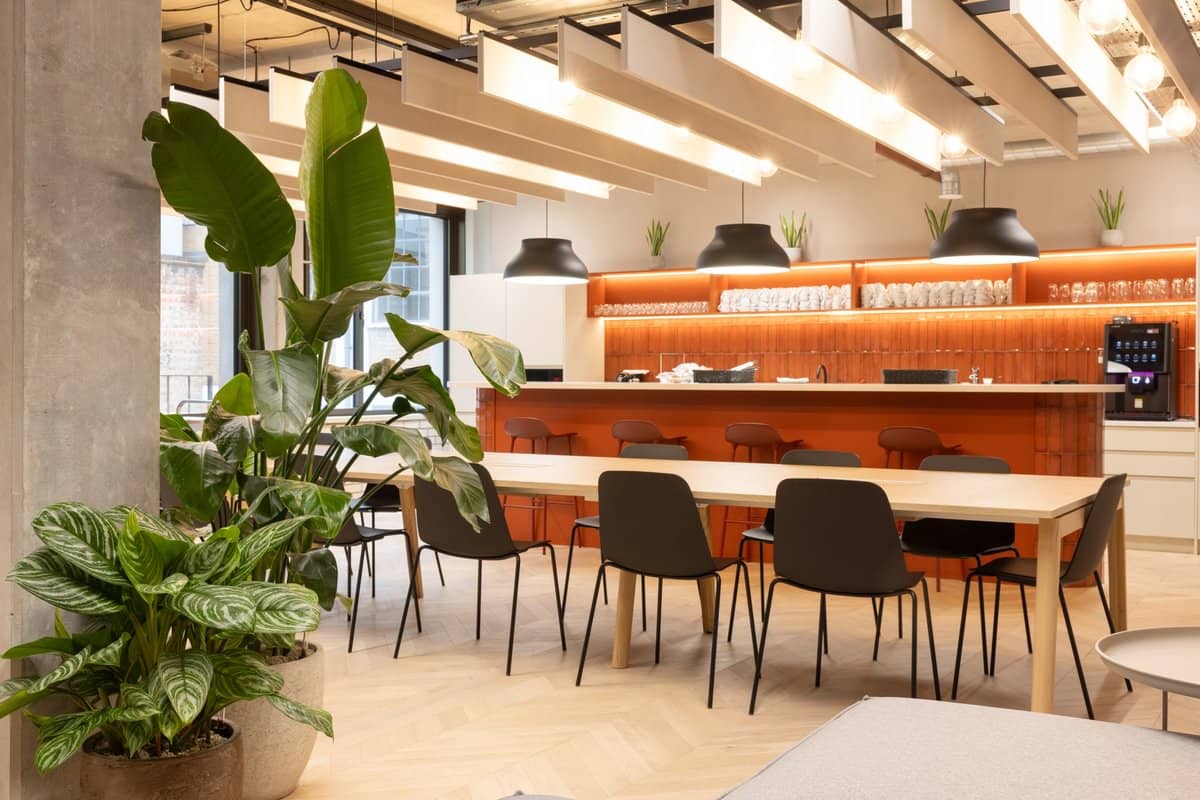
Office Plants that Love to be Difficult
We've already written plenty about office plants that are lower maintenance, but how about those that aren't?
Below, we explore some of the more commonly chosen office species that can prove trickier in practice, and why they may be struggling in your space.
Fiddle Leaf Fig (Ficus lyrata)
The Fiddle Leaf Fig remains one of the most in-demand plants in office design. They are big, bold and beautiful.
The challenge comes down to consistency. Ficus lyrata thrives in bright, stable conditions - conditions that most offices struggle to provide naturally. Changes in light, temperature, or positioning can quickly lead to leaf drop and visible decline.
Verdict: A high-impact statement plant that performs best with the right positioning and a structured maintenance plan.
Calathea Varieties
Calatheas are chosen for their detailed, patterned foliage, adding texture and depth to workplace planting schemes. They are particularly effective in breakout spaces and areas designed to feel more relaxed and design-led.
Their limitation is environmental sensitivity. Calatheas prefer higher humidity and consistent care, while offices tend to be dry and variabl -especially when the air con is on full-summer-blast. Without the right support, this can lead to browning edges and loss of vibrancy.
Verdict: Best used as part of a professionally managed planting scheme where their conditions can be properly supported.
Peace Lily (Spathiphyllum)
Peace Lilies are a staple of office planting, often chosen for their ability to tolerate lower light and their reputation as an “easy” plant. Their clean foliage and occasional flowering make them a familiar sight in workplaces.
However, their tendency to wilt dramatically when dry often leads to reactive overwatering, which can impact long-term health. In lower light, flowering can also become limited (seriously, they can be very hard to encourage to flower).
With regular care and the right watering approach, they remain a reliable part of many commercial planting schemes, particularly in areas where light is restricted.
Verdict: A versatile, low-light option that benefits from consistent maintenance to perform at its best.
Ferns
Ferns are ideal for softening office interiors. Their delicate, natural appearance works well in breakout areas, adding a sense of calm and contrast to more structured spaces.
They do, however, require more attention than many expect. Ferns depend on consistent moisture and higher humidity levels, which can be difficult to maintain in air-conditioned offices. Without this, browning and thinning can occur.
In the right setting, and with ongoing care, they can be highly effective. Alternatively, they can be paired with more resilient species or used in controlled environments within a wider scheme.
Verdict: A valuable design plant when supported by the right conditions and maintenance strategy.
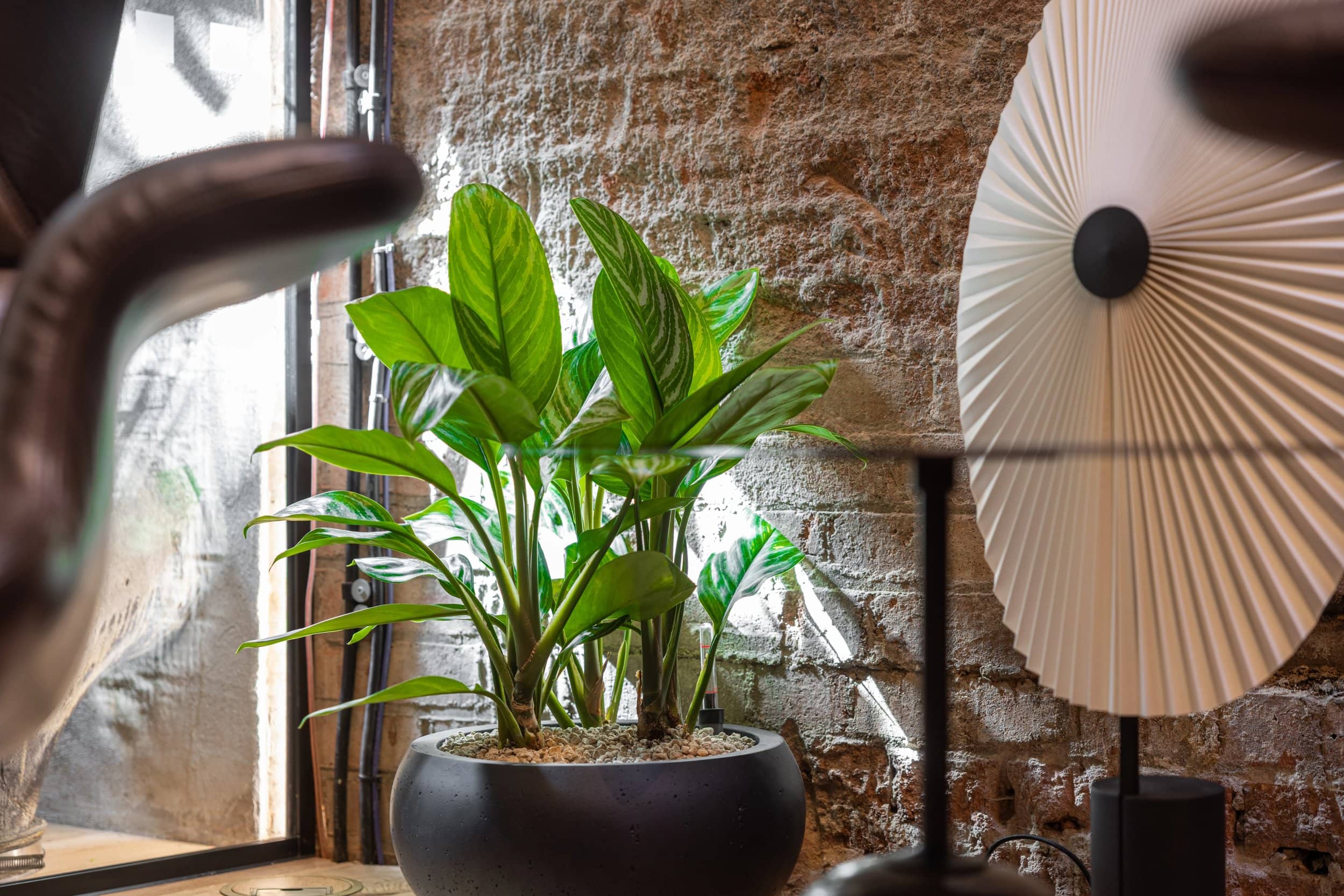
What to Do When Office Plants Start Struggling
Even with the best intentions, most office plants will show signs of stress at some point. Yellowing leaves, browning edges, or sudden leaf drop are all common signals that something is not quite right.
The first step is not to replace the plant, but to reassess its environment. Small changes can often make a significant difference.
Start with light. If a plant is positioned far from natural daylight, consider moving it closer to a window or into a brighter part of the office. Even a slight improvement in light levels can stabilise growth.
Next, look at placement more broadly. Plants positioned near air conditioning units, radiators, or frequently opened doors are exposed to temperature swings and dry air. Relocating them to a more stable area can quickly reduce stress.
Watering is another common pressure point. Rather than watering on a fixed schedule, it is more effective to check the soil and respond to the plant’s needs. Overwatering is often just as damaging as neglect, particularly in office environments where drainage can be limited.
It is also worth considering whether the plant is simply the wrong fit for the space. If conditions cannot be improved, replacing it with a more suitable species is often the most practical solution. You can see some of the best for low light here, and some low - maintenance choices here.
In short: adjust the environment where possible, adapt care routines, and if needed, rethink the plant choice. It is rarely just one issue, but a combination of small factors that lead to decline.
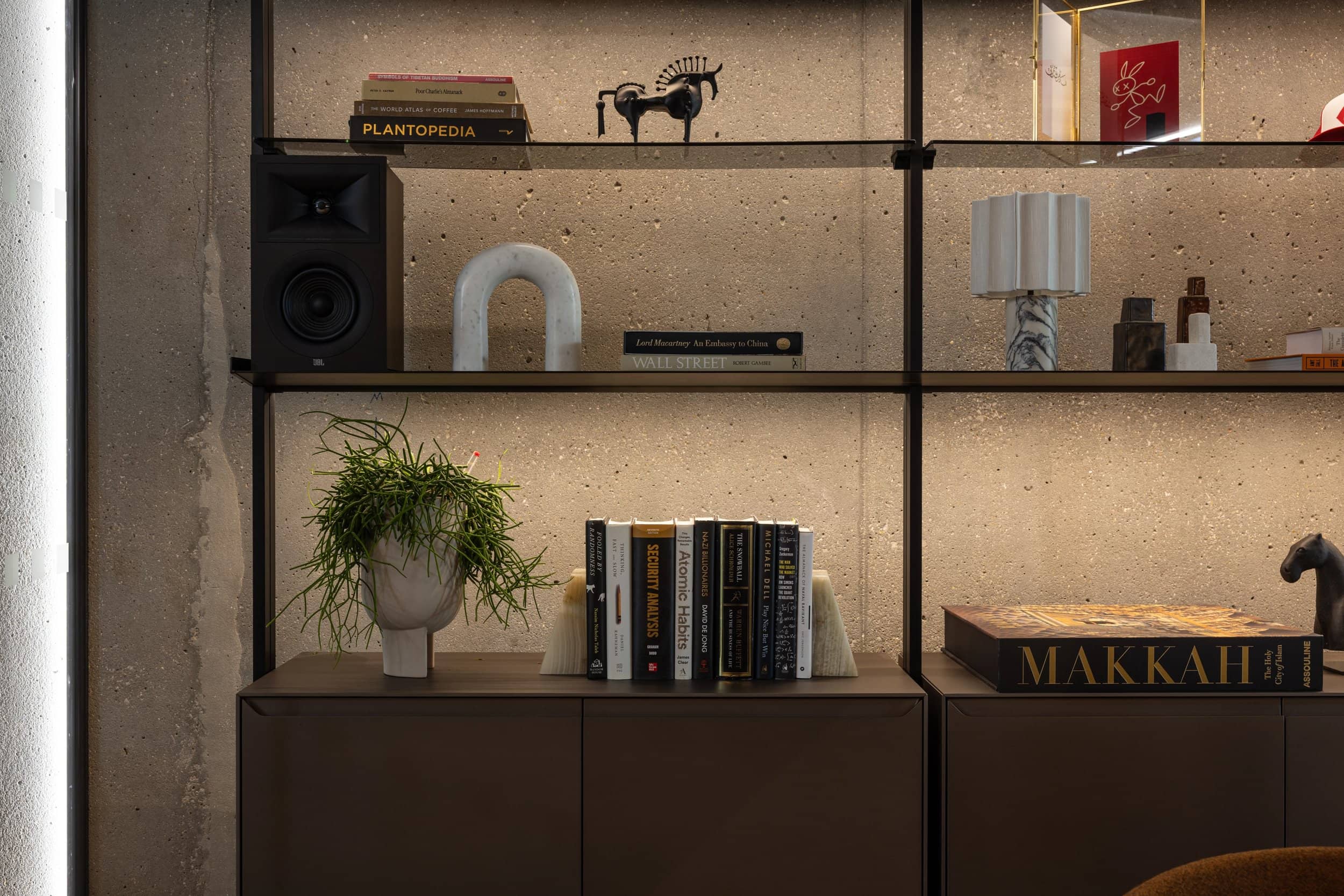
Office Plant Care FAQs: Why Plants Die and How to Fix Them
In most cases, watering is not the issue. In fact, overwatering is one of the most common causes of plant failure in offices.
The underlying problem is usually environmental mismatch. Many plants are selected for how they look rather than where they are going. When placed in low light, dry air, or fluctuating temperatures, they begin to decline regardless of how often they are watered.
A well-suited plant will tolerate occasional inconsistency. A poorly suited one will not.
The most reliable office plants are those that are naturally resilient to indoor conditions.
Species such as Sansevieria, Zamioculcas, Dracaena, and Aglaonema are widely used in commercial environments because they tolerate low light, irregular watering, and temperature variation.
They are not indestructible, but they are far more forgiving than trend-led species often seen in design imagery.
Yes, and this is one of the main reasons planting schemes fail.
Plants like Fiddle Leaf Figs, Calatheas, and many Ferns require stable light levels, higher humidity, and consistent care. These conditions are difficult to maintain in most offices.
While they can work in very specific environments, they are often specified without considering these requirements, leading to poor performance.
Most offices provide significantly less natural light than people expect.
Even bright-feeling spaces can fall into the “low light” category from a plant’s perspective, particularly as you move away from windows.
This is why shade-tolerant species are typically used in commercial planting. A proper assessment of light levels is one of the most important steps in creating a successful scheme.
Artificial planting becomes the most effective solution when the environment cannot support living plants.
This includes windowless areas, deep internal spaces, and locations where maintenance access is limited. In these situations, living plants will almost always struggle.
High-quality artificial planting allows you to achieve the same visual and design impact, without the risk of decline or ongoing replacement.
Yes. Even the most resilient plants require a level of ongoing care to remain healthy and visually consistent.
This includes watering, pruning, cleaning, and monitoring for signs of stress. Without maintenance, even well-specified plants will gradually deteriorate.
In commercial environments, regular maintenance ensures the scheme continues to perform as intended.
The most effective approach is to start with the environment rather than the plant.
By assessing light levels, layout, and how the space is used, it becomes possible to select species that are naturally suited to those conditions.
From there, correct installation and ongoing maintenance ensure long-term success. This is why professionally designed planting schemes tend to outperform ad hoc approaches.
Final Thoughts: Stop Replacing, Start Specifying
By this point, a pattern starts to emerge. When office plants fail, it is rarely down to a single mistake or a lack of effort. More often, it comes back to one simple issue. The wrong plant, in the wrong place.
Too often, planting is approached reactively. A plant declines, it is replaced, and the cycle repeats. Over time, this becomes costly, inconsistent, and ultimately ineffective.
A more considered approach is to step back and treat planting as part of the wider workspace design. When plants are specified based on the actual conditions of a space, light levels, airflow, usage, and layout, they are far more likely to succeed!
Why professional maintenance could be the answer
This is where professional planting design and maintenance begin to show their value. Through site assessment, tailored plant selection, and structured care, potential issues are addressed before they become visible problems. Rather than reacting to decline, the focus shifts to preventing it altogether.
Whilst this might seem like a greater cost, reduced replacement costs, consistent visual quality across the space, and a workplace that feels cared for and considered.
To see how plant plan could help the plants in your space, you can get in touch, fill in the form below, or to learn more, head over to our plant maintenance page.
:format(webp))
:format(webp))
All Your Questions About Renting Plants for Your Office or Commercial Space Answered
Looking to add greenery to your space without the upfront investment? Renting living plants is a flexible and affordable way to enjoy the beauty of lush, natural displays while keeping costs under control.
:format(webp))
Best Plants for Low Light Spaces: FAQs from Our Planting Experts
Here at Plant Plan, we’re used to working with low light levels. So, we thought we’d dive into our treasure trove of biophilic expertise to answer some of the questions we’re most often asked about low light planting.