Eleanor Penny: Designing for Neurodiversity, Why Better Workplaces Start with Inclusivity
:format(webp))
:format(webp))
As part of our Greenhaus 01 series, where we spotlight articles and interviews from our industry leading biophilic magazine, GreenHaus, we revisit our conversation with Eleanor Penny, Head of Workplace Design at Layrd Design.
Introduction: Eleanor Penny
Eleanor has built a portfolio centred around inclusive, wellbeing-led environments, with a particular focus on neurodiversity and human-centric workplace design.
Her work, and her industry-leading ideas of what constitutes a well-designed space, reflect a wider shift in workplace design. Spaces are no longer driven purely by efficiency and density, but by experience, wellbeing, and inclusivity. Increasingly, it is recognised that good work comes from good working environments.
Yet despite this progress, neurodiversity remains a design focus that is often overlooked. The ebbs and flows of workplace design trends come and go, frequently ignoring the needs of the few, even when they may in fact reflect the wider needs of the many.
Our conversation with Eleanor makes one thing clear. Designing for neurodiversity is not about catering to a minority, it is about creating better workplaces for everyone.
Here, we will take a look at some of the key ideas that emerged from our interview with Eleanor. If you would like to read the full, unabridged interview, head over to the Greenhaus website.
Rethinking Workplace Design: Moving Beyond One-Size-Fits-All Offices
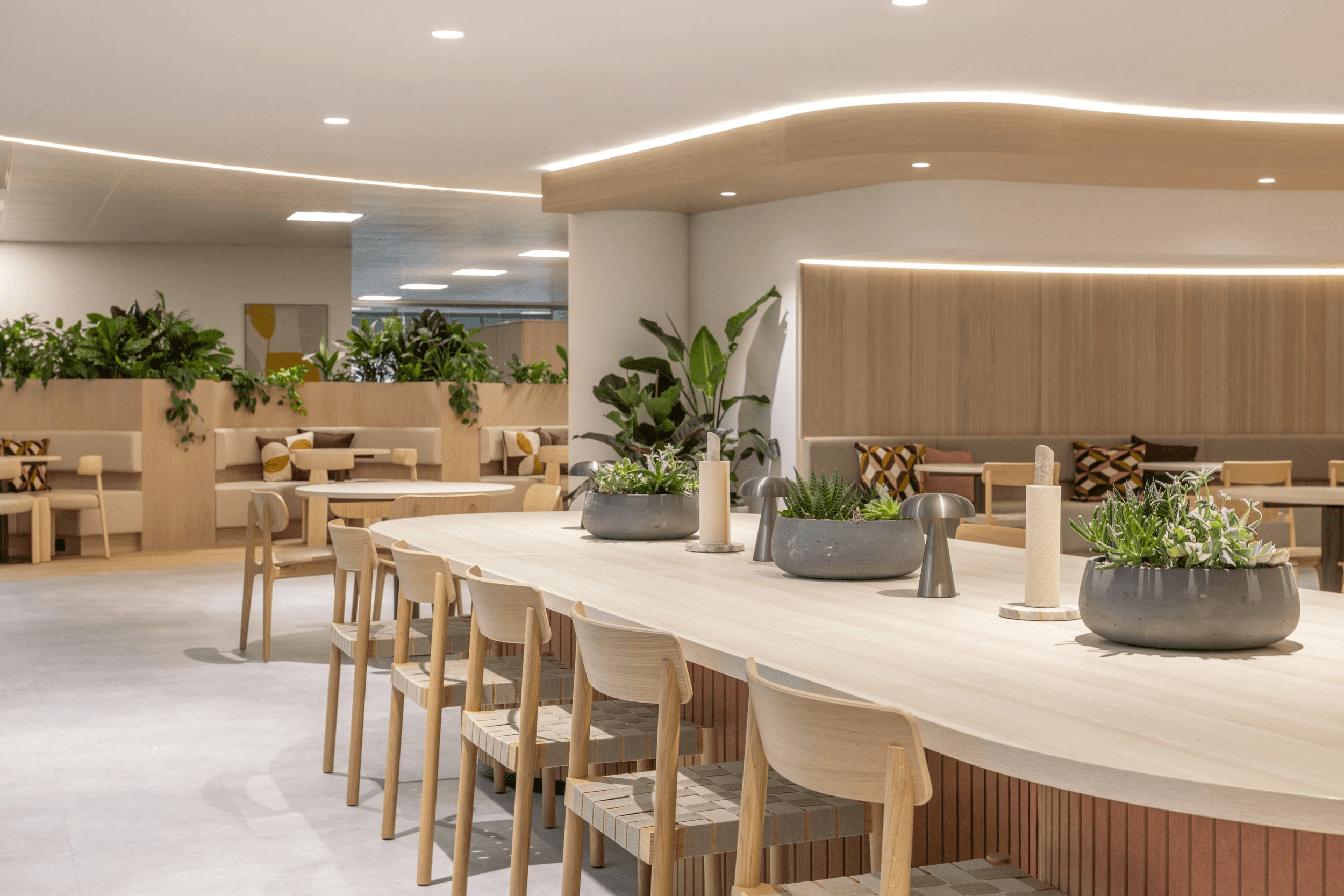
For decades, offices have followed a familiar formula. Rows of identical desks. Bright overhead lighting. Open-plan layouts designed for uniformity. The problem is, people are not uniform.
Neurodiversity encompasses a wide range of cognitive differences, including ADHD, autism, dyslexia, and more. And as Eleanor explains, the reality is far broader than labels.
“By designing for everyone, we design better for everyone.”
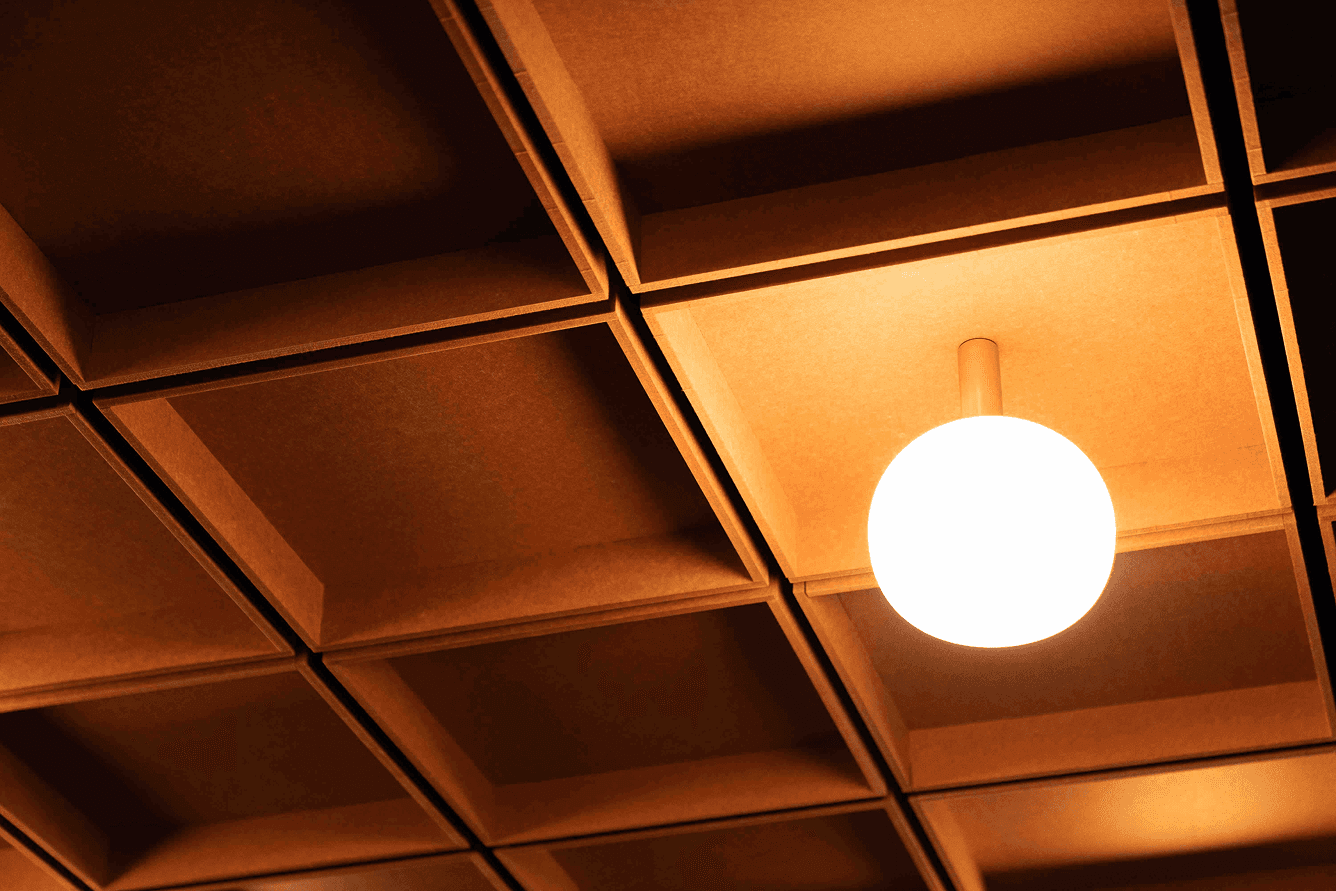
Traditional workplace environments can often be overstimulating. Harsh lighting, constant noise, and lack of control over surroundings can make focus difficult and, in some cases, overwhelming. But these challenges are not exclusive to neurodivergent individuals. They are felt, to varying degrees, by almost everyone.
Which raises an important point. If a space works for the most sensitive users, it will almost always work better for the rest.
Flexible Workspaces: Why Choice and Variety Improve Employee Wellbeing
The solution is not complex, but it does require a shift in mindset. Rather than designing a single type of workspace, Eleanor advocates for variety. Spaces that adapt to different tasks, moods, and preferences throughout the day.
Quiet zones for focus. Open areas for collaboration. Soft seating for informal conversations. Defined spaces that allow people to choose how and where they work. It is this sense of control that transforms a workplace from functional to supportive, and it does not need to start with major structural change.
Zoning, for example, can be introduced through thoughtful planting. Greenery can subtly divide spaces, soften acoustics, and create visual relief without the need for hard partitions. It is a design move that supports both wellbeing and flexibility.
Biophilic Office Design: How Plants Support Neurodiversity and Wellbeing
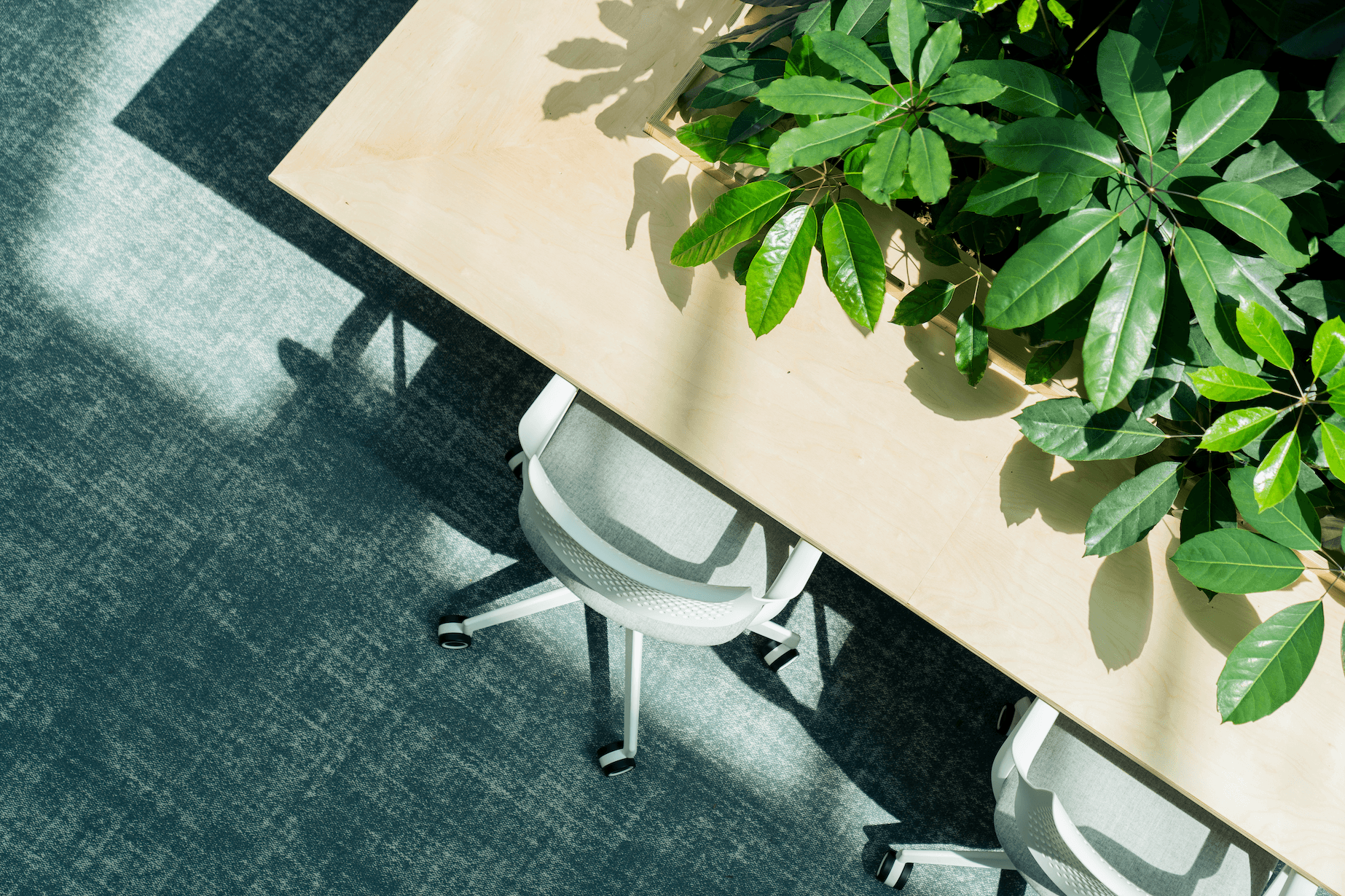
Biophilic design, the integration of natural elements into built environments, plays a significant role in creating neurodiverse-friendly workplaces. Natural light, organic textures, and planting all contribute to reducing stress and improving focus.
As Eleanor puts it:
“We’re essentially just over-dramatic plants ourselves.”
It is a lighthearted way of describing something quite fundamental. Humans respond positively to nature. In workplace settings, this translates to improved concentration, reduced anxiety, and a more comfortable overall environment.
In practice, this might look like planting used as soft partitions, creating quieter breakout areas, or central feature planters that bring people together while maintaining a sense of calm.
These are not just design features. They are tools that help shape how a space feels and functions.
Neurodiversity in the Workplace: Creating Better Offices for Everyone
One of the most important takeaways is also the simplest.
“The most important step is listening to your employees.”
There is no universal blueprint for a perfect workplace. Needs will vary not just from person to person, but from day to day. The role of design is to respond to that variability, not ignore it.
Small, considered changes can have a significant impact. Adjusting lighting. Introducing flexible seating. Creating quieter areas. Integrating planting to define space.
Individually, these moves may seem subtle. Together, they create workplaces that feel more human.
Building better workplaces for everyone
Designing for neurodiversity is not a niche consideration. It is a lens through which better workplaces are created.
It challenges outdated assumptions, encourages flexibility, and ultimately leads to environments where people can do their best work.
And as workplaces continue to evolve, this approach will only become more important.
To explore Eleanor Penny’s insights in more depth, including her thoughts on biophilia, collaboration, and the future of workplace design, you can read the full interview here. If you would like to see examples of Eleanor's work, head over to Layrd Design's website.