Beating the Heat(ing): Is Air Conditioning Damaging Your Indoor Plants?
:format(webp))
:format(webp))
:format(webp))
Key Takeaways
Air conditioning can harm your plants Tropical plant species thrive in consistent humidity and stable temperatures, not the dry, fluctuating conditions often created by HVAC systems.
There are measures you can take It is easy to avoid the worst of the air conditioning effects!
Design with HVAC systems in mind Getting ahead of the adverse effects of Air Con is the best way to keep your plants healthy!
Introduction
Beating the heat has become an increasingly important part of the British summer experience. Those of us lucky enough to work in air-conditioned offices have probably noticed them being used more often, much to our own comfort. But while cooler air might be a welcome relief for us, the same cannot always be said for our little green friends.
At Plant Plan, we frequently encounter struggling office plants where air conditioning is a major contributing factor. Understanding the risks can help you choose the right species and maintain healthier indoor planting schemes.
Does Air Conditioning Affect Indoor Plants?
It certainly can, and for three main reasons. Reduced humidity, cooler temperatures (or greater temperature fluctuations), and excessive airflow can all make it harder for plants to thrive.
If your air conditioning is affecting your plants, you’ll often notice the tell-tale signs: brown leaf tips, wilting, slower growth, and an increased susceptibility to pests.
We have outlined these in a little more detail below...

At the Sage offices, the plants around the Air Conditioning systems are replica.
5 Ways Air Conditioning Can Damage Indoor Plants
1. Dry Air Causes Leaf Damage
Most tropical indoor plants originate from humid environments.
Air conditioning removes moisture from the air, often reducing indoor humidity levels well below what many plants naturally prefer.
Common symptoms include:
Brown leaf tips
Crispy leaf edges
Curling foliage
Premature leaf drop
2. Increased Water Loss
Plants lose water through their leaves via transpiration.
When dry, conditioned air is constantly moving around the plant, this process speeds up significantly.
As a result:
Soil dries out faster
Plants require more frequent monitoring
Water stress develops more easily
3. Constant Airflow Creates Stress
Plants positioned directly beneath vents or air-conditioning units often experience continuous drafts.
Unlike natural outdoor airflow, conditioned air is often concentrated and repetitive.
This can lead to:
Uneven growth
Damaged foliage
Localised dehydration
Reduced overall plant vigour
4. Temperature Fluctuations
Many indoor plants prefer stable conditions.
Repeated cycles of cooling during the day and warmer temperatures outside operating hours can place plants under stress.
This is particularly common in offices where systems switch off overnight or at weekends.
5. Increased Pest Vulnerability
Stressed plants are generally less resilient.
Low humidity can create favourable conditions for pests such as:
Spider mites
Thrips
Scale insects
These issues often appear more frequently in heavily air-conditioned environments.
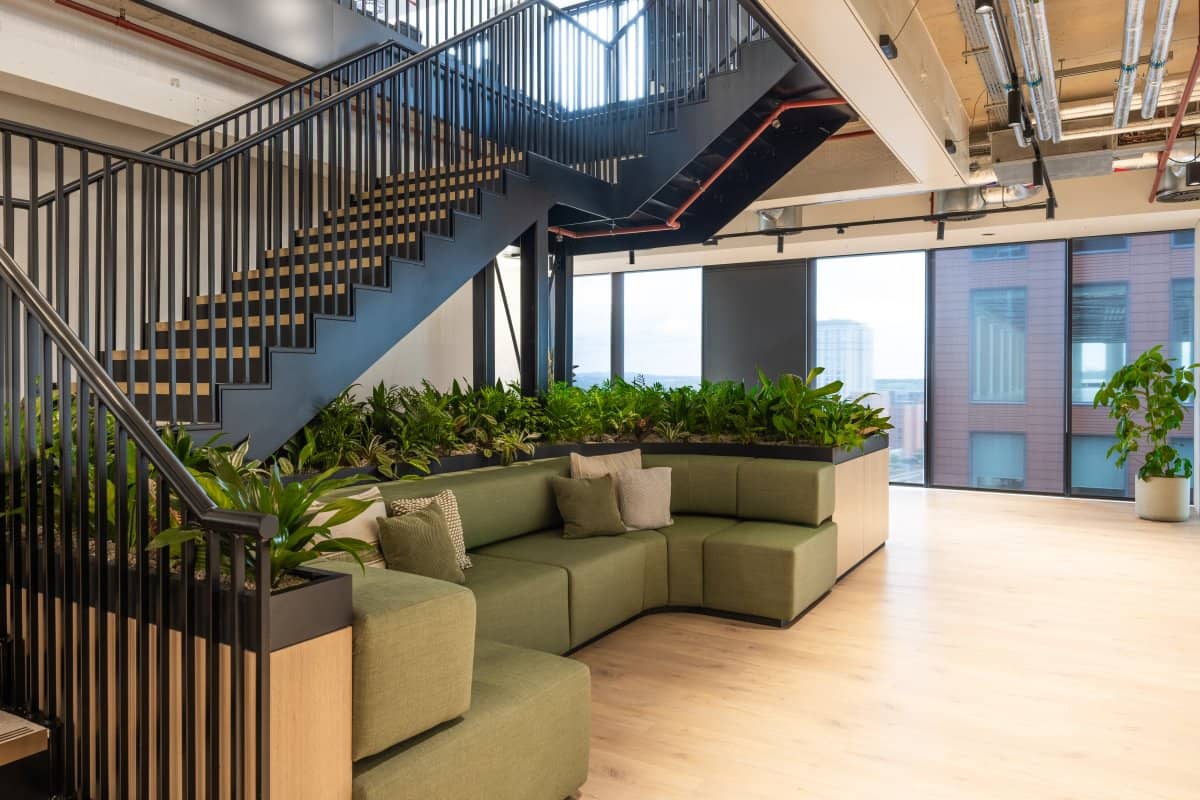
You can make out the HVAC system at the top right of the image. We have chosen plants in this scheme that are hardier, and will cope with the fluctuations
Which Indoor Plants Cope Best With Air Conditioning?
Some species are naturally more tolerant of lower humidity and changing indoor conditions.
Examples include:
Sansevieria (Snake Plant)
Zamioculcas zamiifolia (ZZ Plant)
Dracaena varieties
Aspidistra (Cast Iron Plant)
Aglaonema
These plants are often excellent choices for modern office environments.
Internal link opportunity: Best Office Plants for Low Maintenance
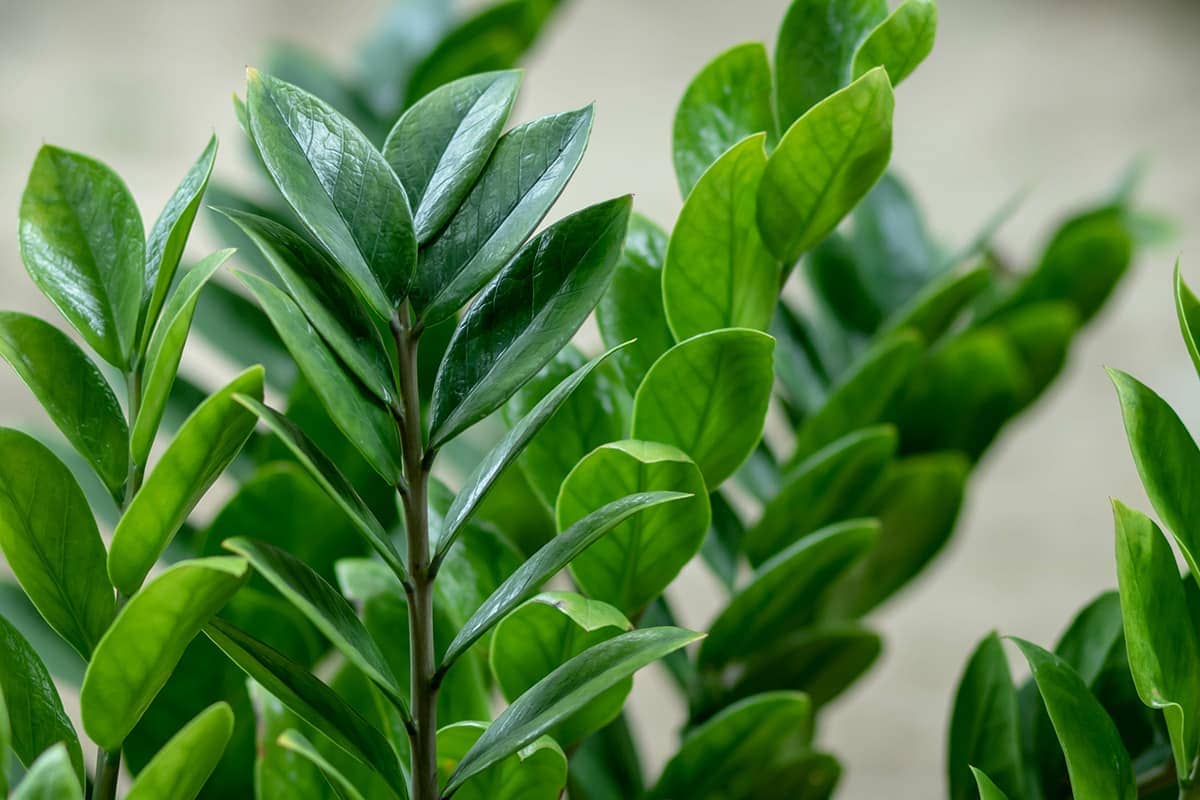
ZZ plants are good at withstanding air conditioning challenges
How to Protect Plants From Air Conditioning
Fortunately, air conditioning doesn’t mean you can’t enjoy thriving indoor planting.
Key steps include:
Avoid placing plants directly beneath vents
Select species suited to conditioned environments
Monitor soil moisture regularly
Group plants together where possible
Maintain a professional maintenance programme
The most effective solution is ensuring plants are specified correctly during the design stage rather than trying to solve problems after installation.
How professional planting design can help
Many plant failures that are blamed on “poor plant quality” are actually the result of unsuitable environmental conditions.
A professional planting designer looks beyond simply choosing attractive species. They assess factors such as airflow patterns, temperature fluctuations, light levels, humidity, and even how the space is used throughout the day. By matching the right plants to the conditions they’ll actually experience, it’s possible to dramatically improve plant longevity, reduce replacement costs, and create a scheme that continues to thrive for years to come.
Final thoughts
Air conditioning is an unavoidable feature of most modern workplaces, but it doesn’t have to come at the expense of healthy plants.
By understanding how conditioned air affects humidity, airflow, and moisture levels, businesses can make better planting decisions and create schemes that thrive for years rather than months.
At Plant Plan, we design and maintain planting schemes specifically for the realities of modern office environments, ensuring the right plant is always in the right place.
If you would like some more help, we are experts at designing and sourcing planting schemes for offices, so we would love to hear from you!
Want help choosing plants for your workplace? Get in touch with our team, we’ll help you design a planting scheme that fits your space, your people, and your budget.
:format(webp))
:format(webp))
The Best Office Plants for Every Workplace Scenario
Choosing the best office plants isn’t just about looks. The right plants can improve air quality, boost wellbeing, and even increase productivity. Whether your workspace is bright, shaded, large, or compact, there’s a perfect plant for every office environment. In this guide, we explore the best office plants for every situation - from low light to sun-drenched windows and low-maintenance favourites.
:format(webp))