The Search: How We Take Finding The Perfect Plants Very, Very Seriously.
:format(webp))
:format(webp))
:format(webp))
:format(webp))
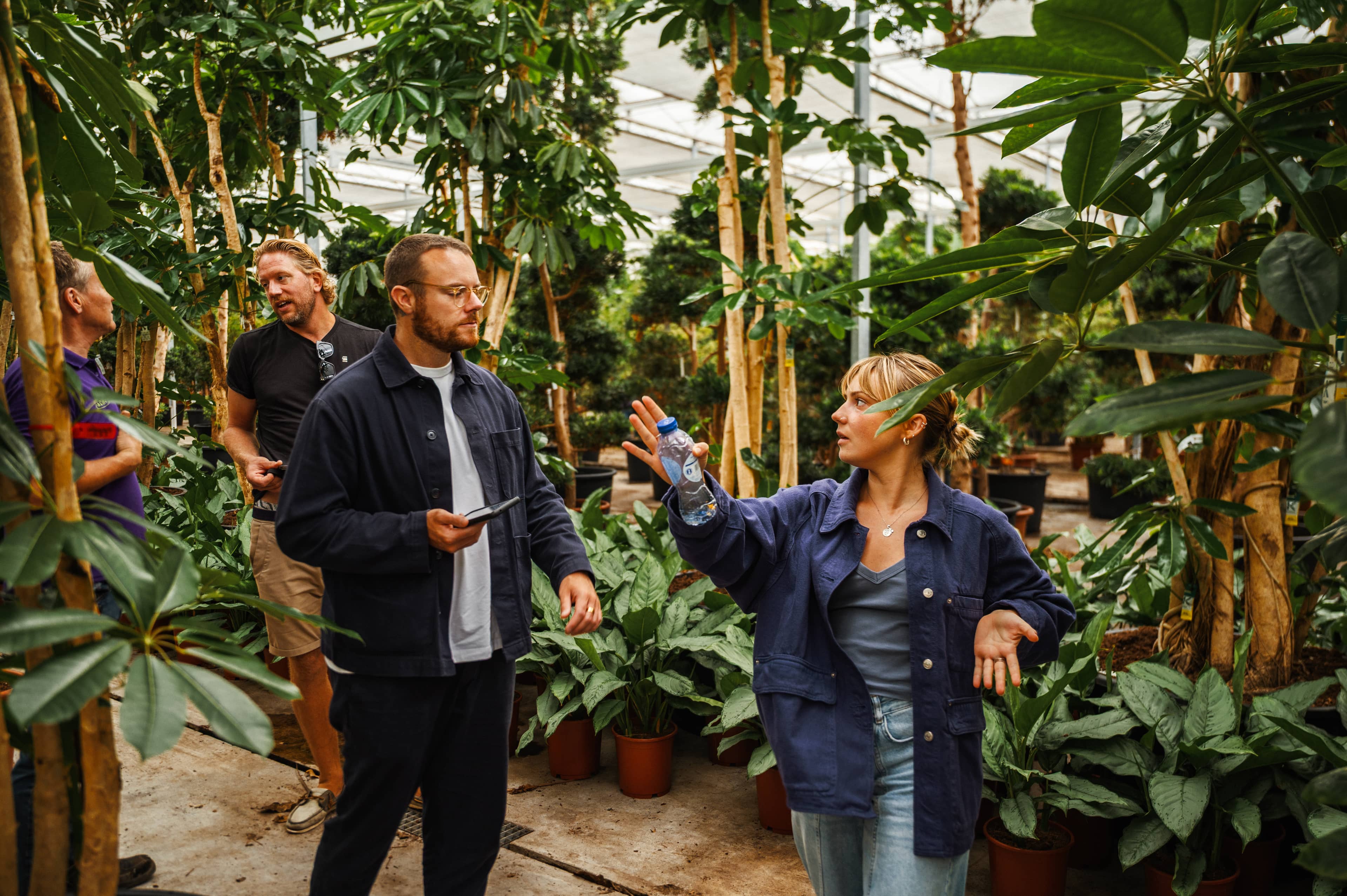
Back in late July, Head of Major Projects, Sam McCarthy and Design and Development Manager Amy Hales travelled to the Netherlands to visit some of Europe’s leading plant nurseries, sourcing high-quality specimens for several upcoming large-scale commercial planting projects.
Why travel to find the best plants?
Bespoke biophilic design projects demand more than just the right plant height or canopy spread; they require carefully selected qualities from leaf shape to root ball size. These details are essential for a cohesive design, and often only available from innovation-led nurseries. Many such nurseries specialise in cultivars that thrive in low light, adapt to varied soils, or need minimal watering, making them ideal for long-term performance in offices, hotels, and public spaces. That’s why our team travels. To directly source plants and ensure every project gets the perfect match
Why travel to the Netherlands?
The Netherlands has a long-standing reputation for horticultural excellence and has become a global leader in growing and supplying everything from large indoor trees to specialist statement plants. This is due to a few different factors; government funding, a strong agricultural history, and a great climate for growing. It’s an amazing place!
Here is an overview of some of the incredible nurseries that we visited over there, and some of the specifics that the team was looking for (and found!) on each of their stops, followed by a few words by each of the team on their experience of the trip.
Stop one: Specialists in Indoor Trees
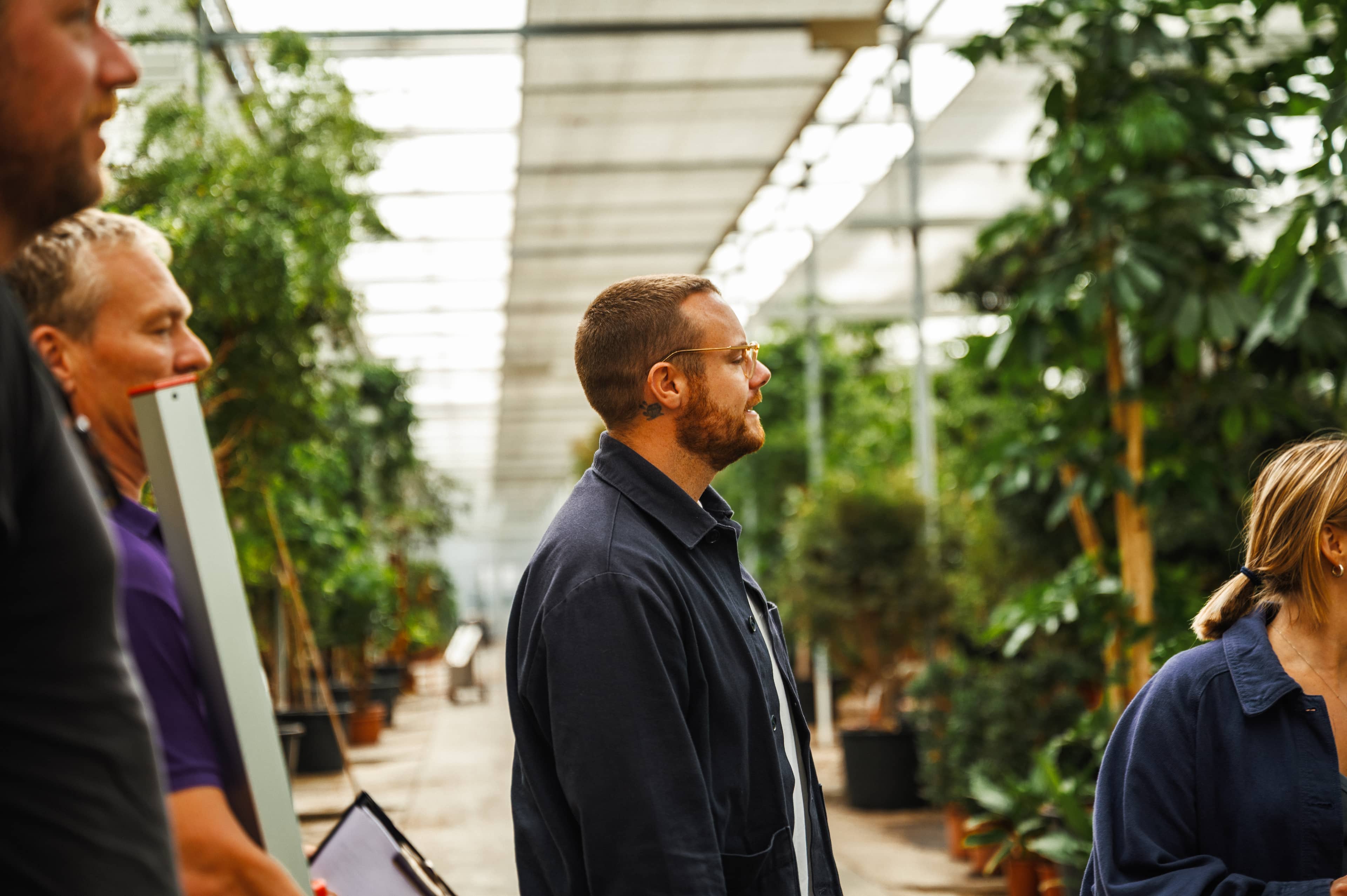
The teams first stop was a nursery renowned for its mature, large-scale indoor trees; specimens that command attention the moment you walk into a space.
These specimens act as architectural features as much as greenery, anchoring a biophilic scheme with height, structure, and balance. Here, quality was as crucial as scale, with healthy growth and precise proportions ensuring lasting impact. We were also sourcing trees with very specific canopy and root ball requirements, which are essential for projects where planting space is limited.
Stop Two: A Rainforest-Inspired Collection
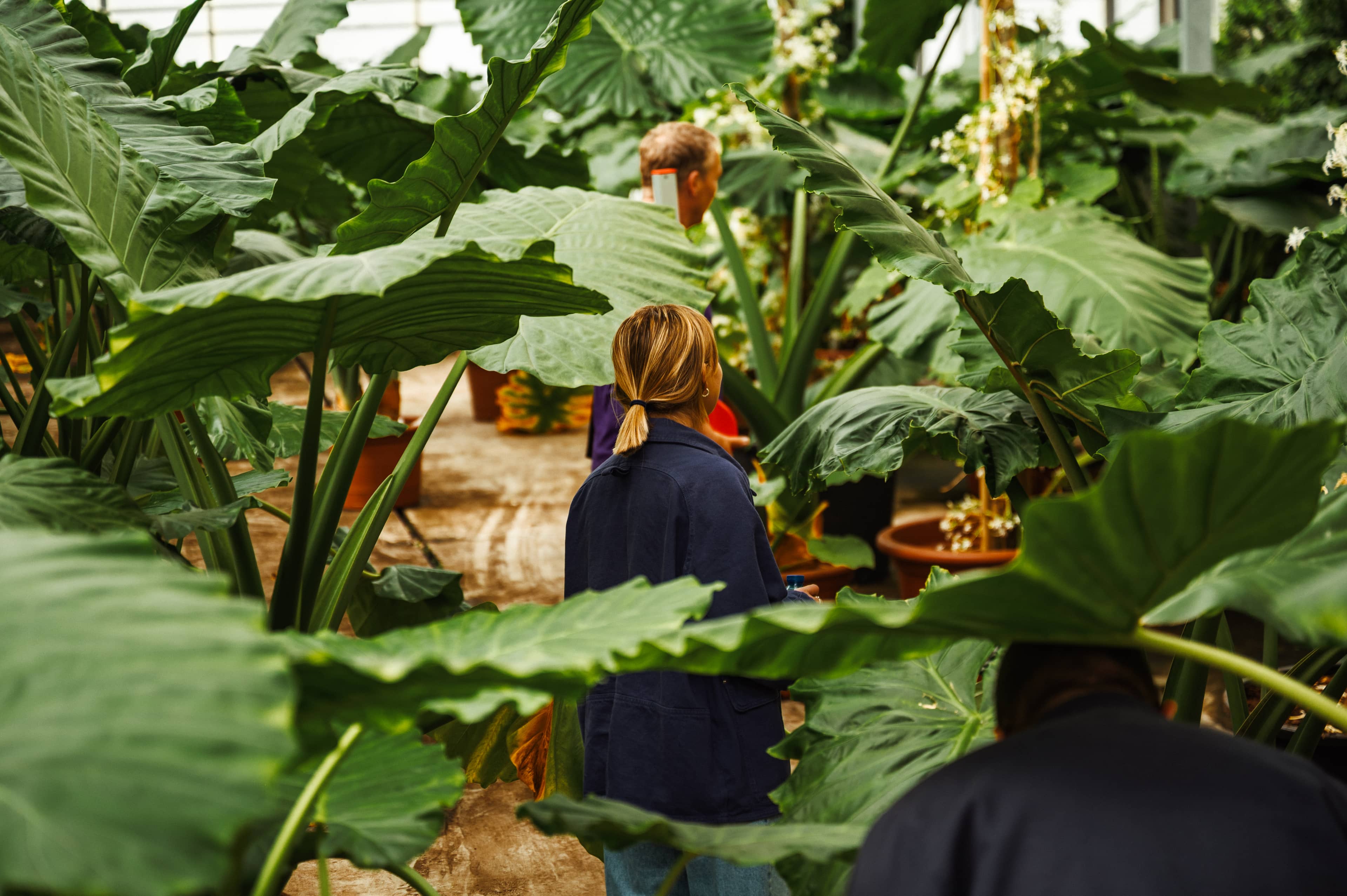
The second nursery transported us into a lush, layered environment. This specific nursery has a much more organic layout and almost feels more rainforest than showroom!
Foliage in every shade of green surrounded us, enveloping us in lush light. Here we discovered 3–4 metre trees with compact root systems, perfect for delivering vertical drama without sacrificing floor space.
Stop Three: Expanding Pots and Plant Varieties
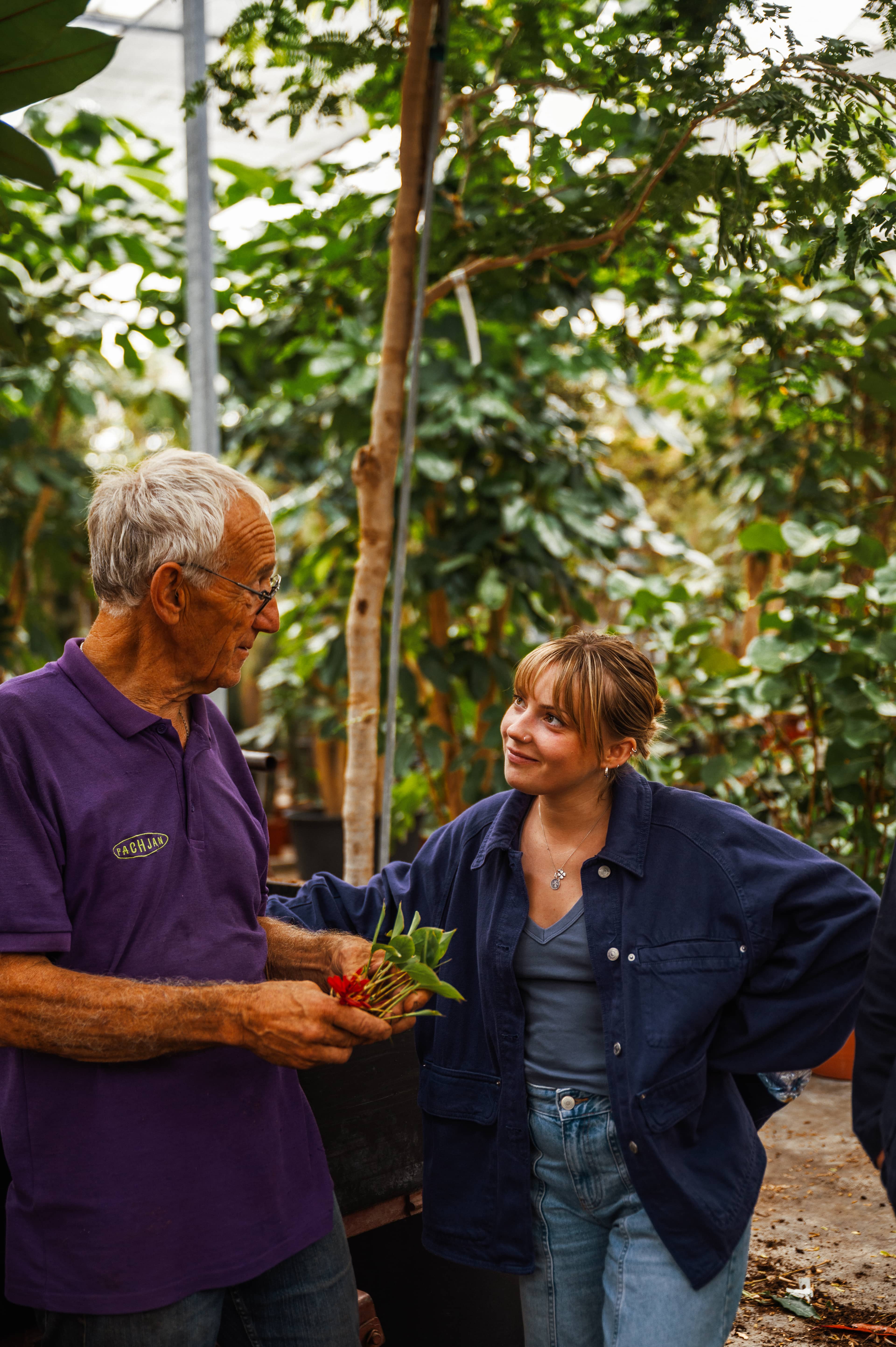
Our final visit focused on broadening our design options, from statement pots to new cultivars and unique specimens. These additions keep our planting schemes fresh, distinctive, and perfectly matched to each client’s space and style.
The Trip: Amy's Thoughts
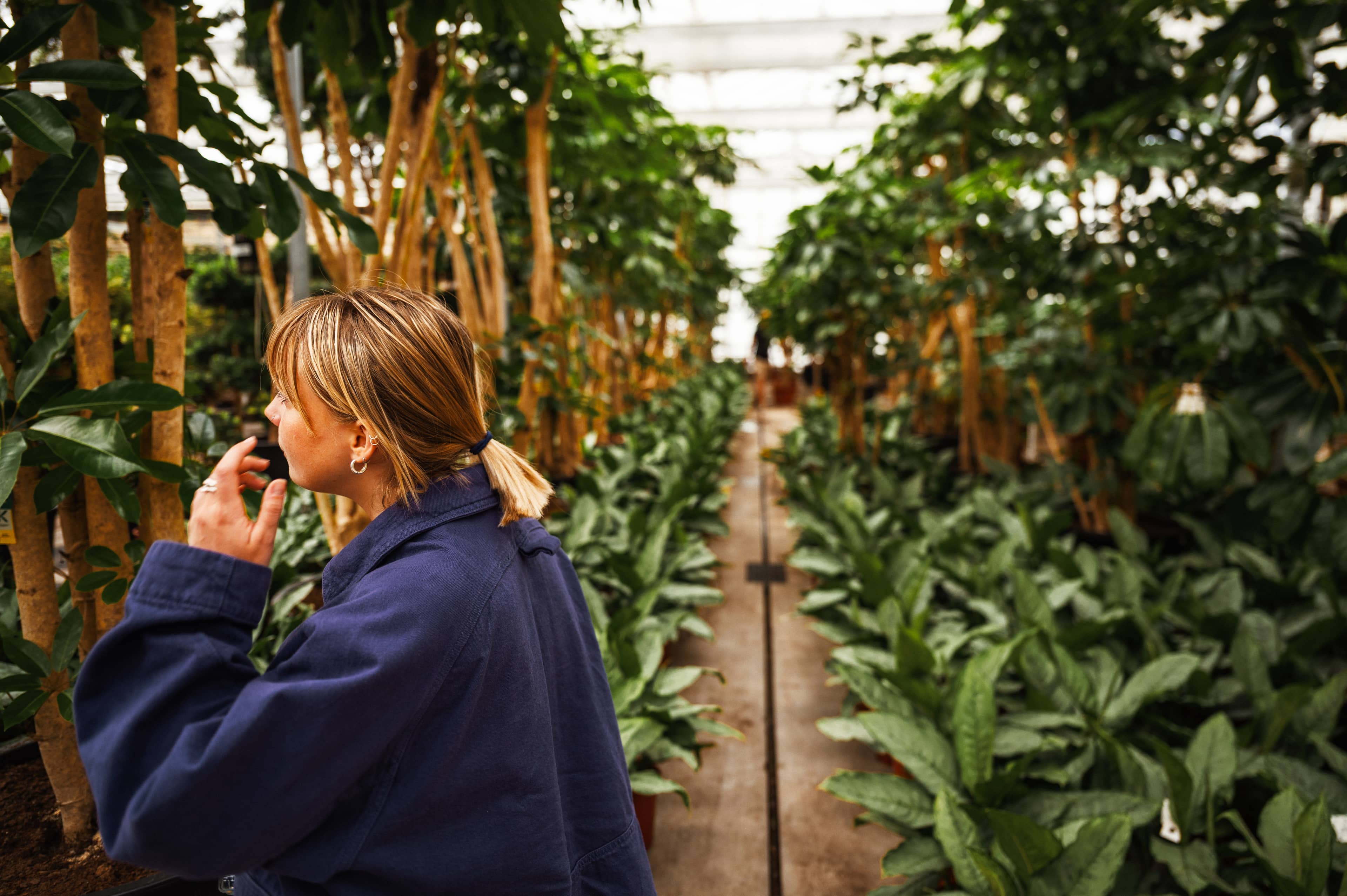
The trip to Holland is a valuable opportunity for me to connect with suppliers, strengthen relationships, and keep communication flowing. It’s also a chance to see what products are new or trending, and to ask as many horticultural questions as the growers and suppliers in the greenhouses will allow. Knowing which plants are new to the range, and how they perform in an office environment, is essential. When I design a scheme, I consider not just the visual impact, but also how each plant will behave in the client’s space.
On this particular trip, I was able to hand-pick each tree for a scheme, searching for very specific shapes and species. For large-scale installations, I love visiting Holland to personally select the statement pieces for a client’s project.
Finally, I reviewed the pot ranges, seeing what’s new in stock, what’s on clearance, and most importantly, experiencing the materials in person. The feel and quality of a pot can be very different to how it appears in a photo, and seeing them firsthand makes all the difference in making the right choice.
The Trip: Sam's Thoughts
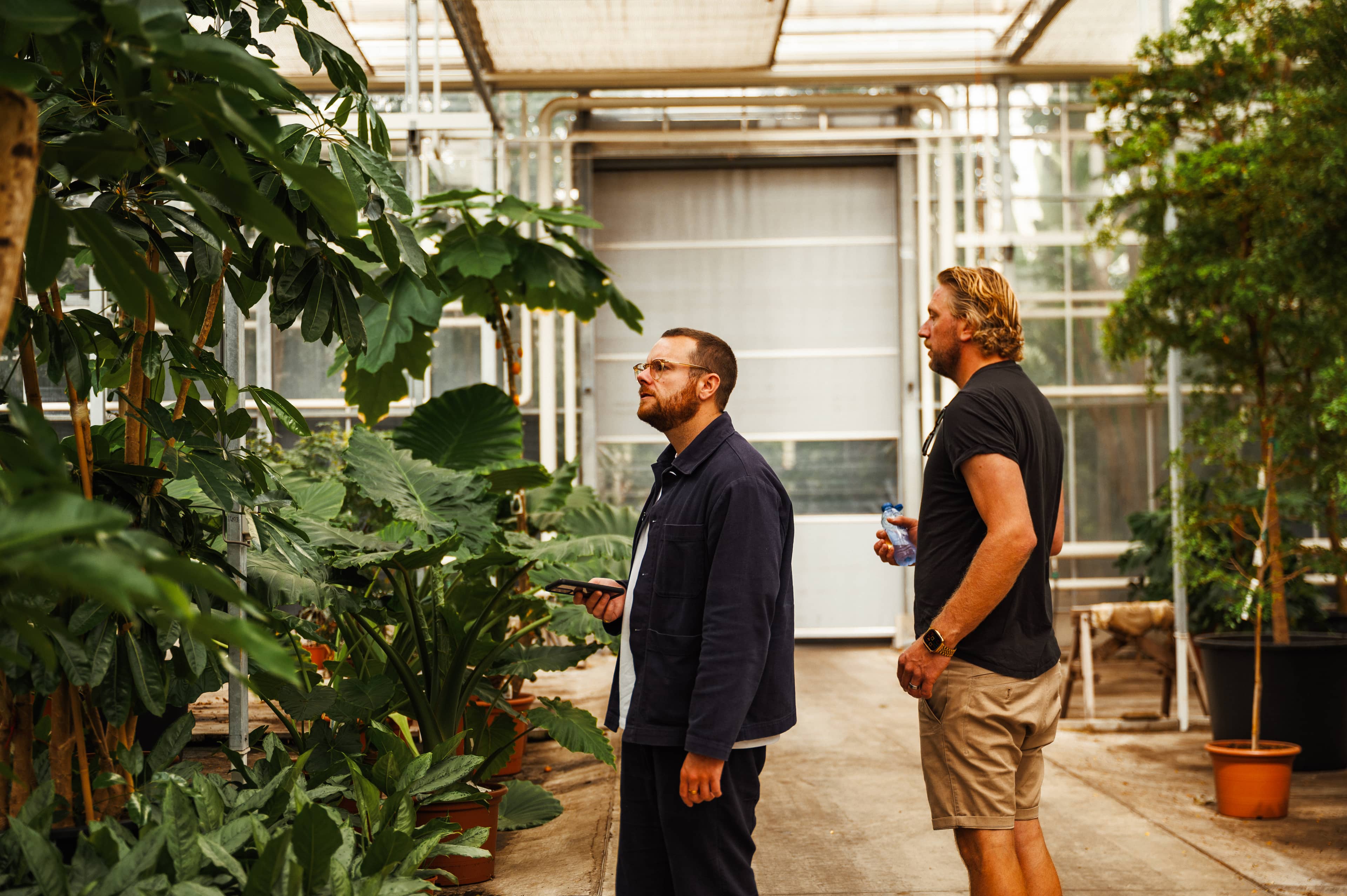
The trip to Holland is always a chance to immerse myself in the industry and see where it’s heading. I spend time with growers discussing what’s selling, what’s slowing, and which varieties are gaining interest. It’s also an opportunity to spot new plants and consider creative ways to use them in our designs.
It’s about staying ahead of changes too, especially around new legislation for importing and exporting. Along the way, I reconnect with long-standing suppliers and meet new ones, building relationships that keep communication strong and ensure we can source exactly what we need.
Every trip leaves me inspired and energised. There’s a real sense of peace walking through the greenhouses, knowing the plants we choose will bring daily benefits to people around the world.
Conclusion
Every sourcing trip to Holland strengthens our connections, sharpens our expertise, and fuels our creativity.
By hand-picking the right plants and materials, we ensure each project is not only visually stunning but built to thrive for years to come. If you would like to know more about our brilliant biophilic team, or are interested in bringing some top level planting to your workplace, get in touch!